The Art of Thai Massage: Techniques and Traditions


Understanding the Essence of Thai Massage
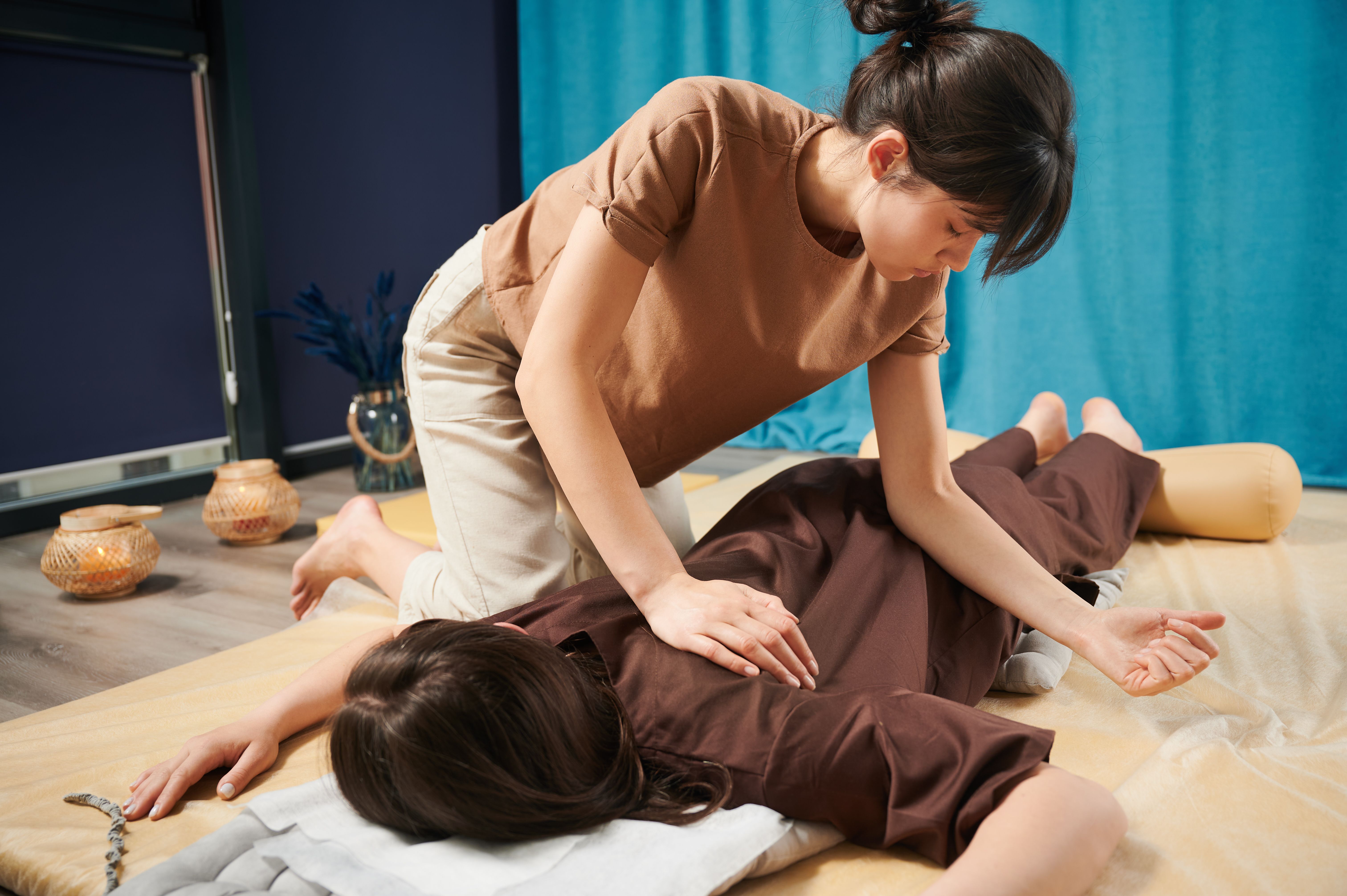
Thai massage, known as "Nuad Thai," is a profound healing art that has been practiced for centuries. Originating in Thailand, this unique form of bodywork combines elements of acupressure, Indian Ayurvedic principles, and assisted yoga postures. Unlike typical Western-style massages, Thai massage is performed on a mat on the floor, allowing for a full range of motion and a deeper connection between the practitioner and the recipient.
The Roots of Thai Massage
The history of Thai massage dates back over 2,500 years, believed to have been developed by Jivaka Kumar Bhaccha, a friend of the Buddha. Over time, Thai massage has evolved, incorporating influences from neighboring cultures and ancient healing traditions. Today, it is regarded not only as a physical therapy but also as a spiritual practice that promotes harmony and balance in the body.
Key Techniques in Thai Massage
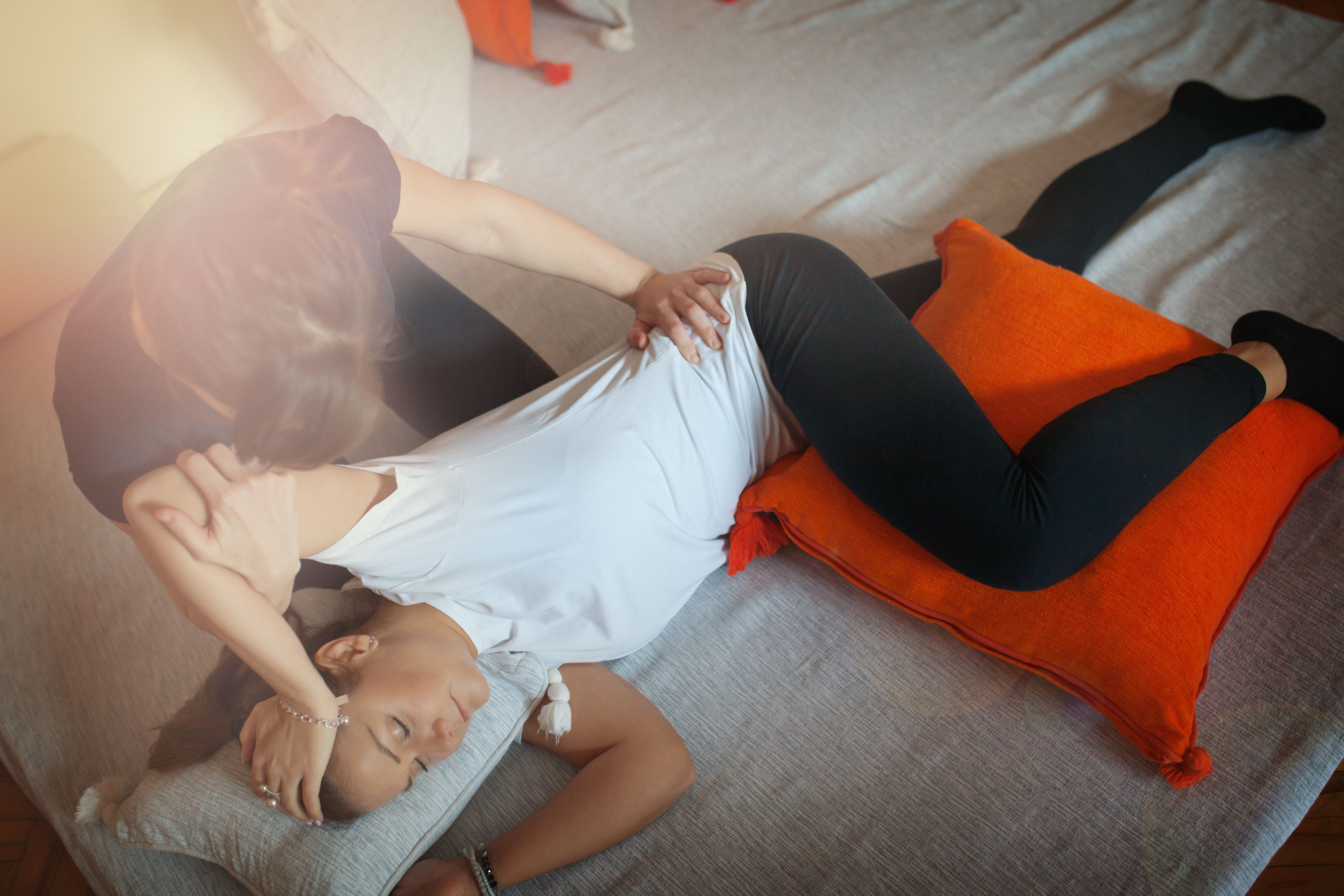
Thai massage involves a series of techniques designed to release tension and improve flexibility. The practitioner uses their hands, elbows, knees, and feet to apply pressure and perform stretching movements. Here are some essential techniques:
- Acupressure: Applying pressure to specific points on the body to release energy blockages and alleviate pain.
- Stretching: Gentle stretches enhance flexibility and mobility, often compared to assisted yoga.
- Rocking: Rhythmic rocking motions to soothe the nervous system and promote relaxation.

The Benefits of Thai Massage
Thai massage offers a myriad of benefits for both physical and mental well-being. It helps in reducing muscle tension, improving circulation, and boosting energy levels. Regular sessions can lead to enhanced flexibility and a better range of motion, making it particularly beneficial for athletes and those with physically demanding lifestyles.
Experiencing a Thai Massage Session
A typical Thai massage session lasts between 60 to 120 minutes. The recipient is usually dressed in loose, comfortable clothing, and the session is conducted on a padded mat on the floor. The practitioner may use their whole body to guide the recipient through a series of yoga-like postures, combined with rhythmic pressure and stretching.
Embracing Thai Massage Traditions
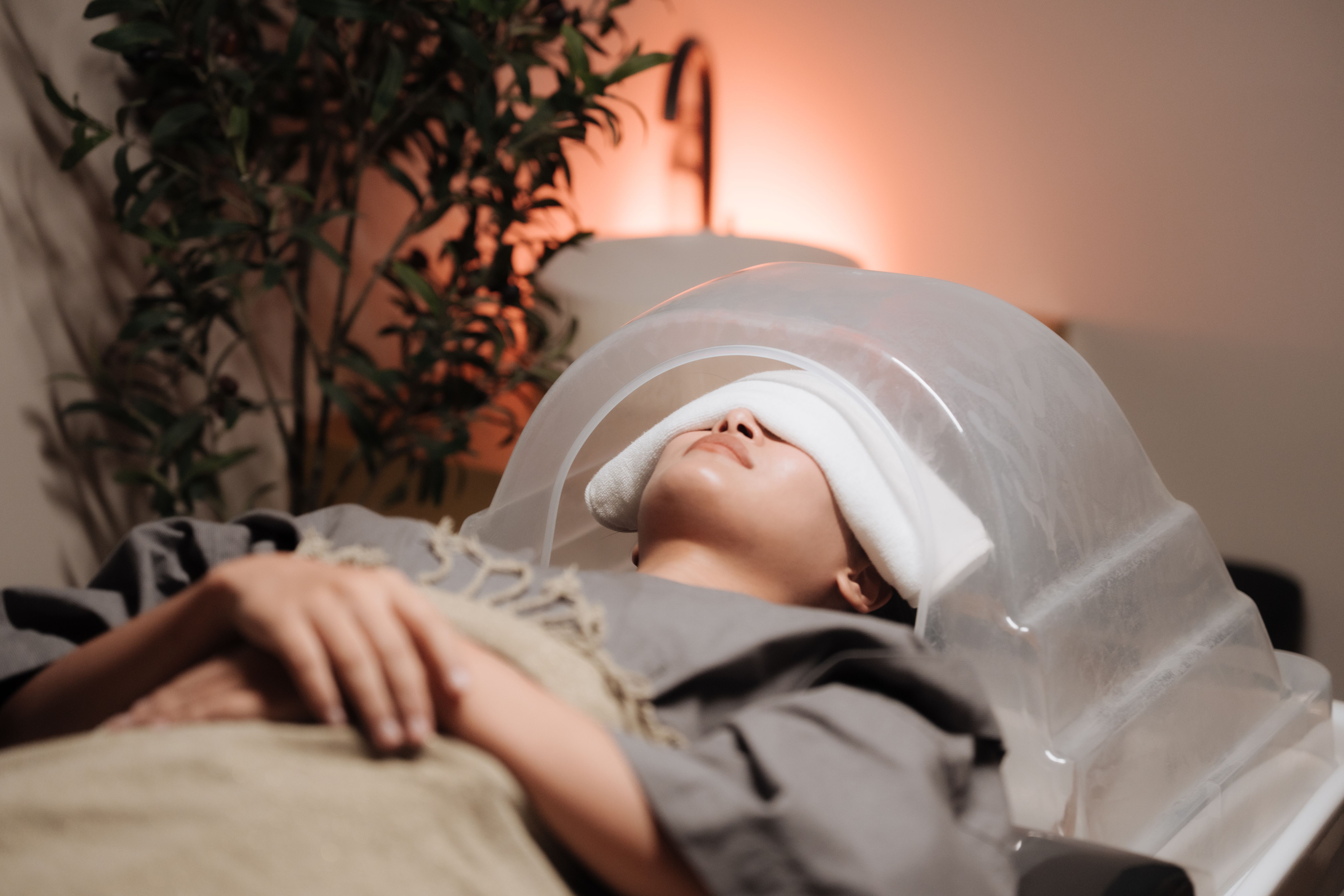
Thai massage is deeply rooted in Buddhist traditions, often beginning with a short prayer or meditation to set the intention for healing. The practice emphasizes mindfulness and the flow of energy, known as "Sen" lines, throughout the body. By focusing on these energy lines, Thai massage aims to restore balance and promote holistic healing.
Learning Thai Massage
For those interested in learning Thai massage, numerous schools and workshops around the world offer training programs. These courses cover the fundamental techniques and philosophies, providing a comprehensive understanding of this ancient art. Whether for personal enrichment or professional practice, studying Thai massage can be a transformative experience.
Conclusion: A Journey to Wellness
The art of Thai massage is a journey to wellness, offering a unique blend of physical therapy and spiritual healing. By embracing its techniques and traditions, individuals can unlock the path to a more balanced and harmonious life. Whether seeking relief from physical ailments or a deeper connection with oneself, Thai massage provides a holistic approach to health and well-being.