The Art of Relaxation: How Thai Massage Aligns Body and Mind


The Origins of Thai Massage
Thai massage, a practice with roots dating back over 2,500 years, combines influences from Indian, Chinese, and Southeast Asian traditions. This ancient healing art is not just a physical therapy but a spiritual practice that aligns the body and mind, providing a holistic experience.
Incorporating elements of yoga, acupressure, and Ayurveda, Thai massage is designed to enhance energy flow and promote well-being. Unlike other massage techniques, it involves a series of gentle movements and stretches that work the entire body.

The Benefits of Thai Massage
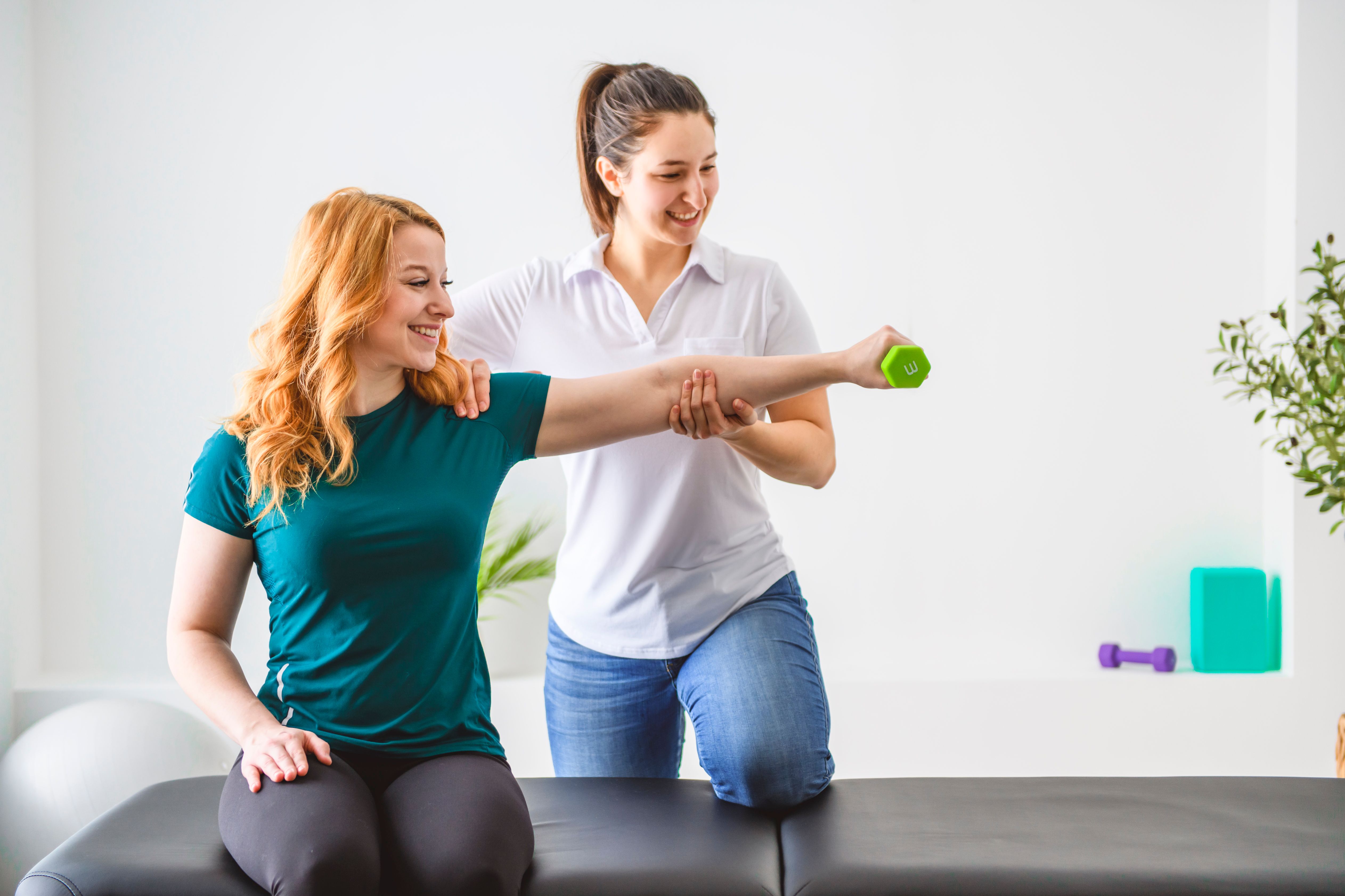
One of the primary benefits of Thai massage is its ability to improve flexibility. By employing assisted yoga postures, it helps in stretching muscles and joints, enhancing mobility and reducing stiffness. This increased range of motion can be particularly beneficial for athletes and individuals with sedentary lifestyles.
Another significant advantage is stress relief. The rhythmic pressure and gentle rocking motions help to calm the nervous system, reducing anxiety and promoting relaxation. This meditative experience can lead to improved sleep and mental clarity.
Enhancing Energy Flow
Thai massage is based on the concept of energy lines or "Sen" that run throughout the body. By applying pressure along these lines, the massage helps to stimulate energy flow, removing blockages and restoring balance. This can lead to increased vitality and a sense of rejuvenation.
Practitioners believe that keeping these energy pathways open is crucial for maintaining physical and emotional health. Regular sessions can lead to a harmonious balance between the body and mind, enhancing overall well-being.
What to Expect During a Session
A typical Thai massage session lasts between 60 to 90 minutes and is performed on a mat on the floor. The recipient remains fully clothed in loose, comfortable attire. The practitioner uses hands, elbows, knees, and feet to apply pressure, ensuring a comprehensive and immersive experience.
It’s important to communicate with the therapist about any specific areas of concern or discomfort. This ensures that the session is tailored to individual needs, maximizing the benefits and ensuring a relaxing experience.
Choosing the Right Practitioner
When selecting a Thai massage therapist, it's essential to choose someone who is well-trained and experienced in this specialized technique. Look for practitioners who have undergone rigorous training and are certified by reputable institutions.
- Check reviews and recommendations.
- Ask about their experience and specialization.
- Ensure they follow ethical practices.
By choosing the right practitioner, you can ensure a safe and effective massage that aligns your body and mind.
The Long-term Impact of Thai Massage
Incorporating Thai massage into your wellness routine can have long-term benefits. Regular sessions can lead to sustained improvements in flexibility, reduced stress levels, and enhanced energy. Over time, it becomes more than just a relaxation technique—it becomes a vital component of a balanced lifestyle.
Whether you're looking to relieve tension, improve physical fitness, or simply enjoy a moment of peace, Thai massage offers a pathway to holistic well-being. Embrace this ancient art, and discover the profound connection between body and mind.