Thai Massage Myths Debunked: What You Need to Know


Thai massage is a unique and ancient practice that has gained popularity worldwide. However, despite its growing acceptance, several myths and misconceptions still surround it. In this post, we'll debunk some common myths and provide you with the facts you need to know.
Myth 1: Thai Massage is Painful
One of the most prevalent myths is that Thai massage is inherently painful. While it's true that this type of massage involves deep pressure and stretching, a skilled therapist knows how to adjust techniques according to each client's comfort level. It's important to communicate with your therapist to ensure a pleasant experience.
In reality, Thai massage can be both invigorating and relaxing. The therapist uses their hands, elbows, knees, and feet to apply pressure, but always with the client's comfort in mind. The goal is to release tension and improve flexibility, not to cause pain.

Myth 2: It's Only for the Flexible
Another common misconception is that Thai massage is only suitable for those who are already flexible. In truth, people of all flexibility levels can benefit. The massage is designed to improve flexibility over time, making it an excellent choice for those who wish to enhance their range of motion.
Thai massage incorporates yoga-like stretches that can be adapted to suit any body type. Whether you're a seasoned yogi or a beginner, the therapist will tailor the session to your individual needs.
Myth 3: It's Just a Physical Experience
Many people believe Thai massage is solely a physical treatment. However, it also offers mental and emotional benefits. The practice is rooted in the concept of energy lines, known as "Sen," and aims to balance the body's energy flow.
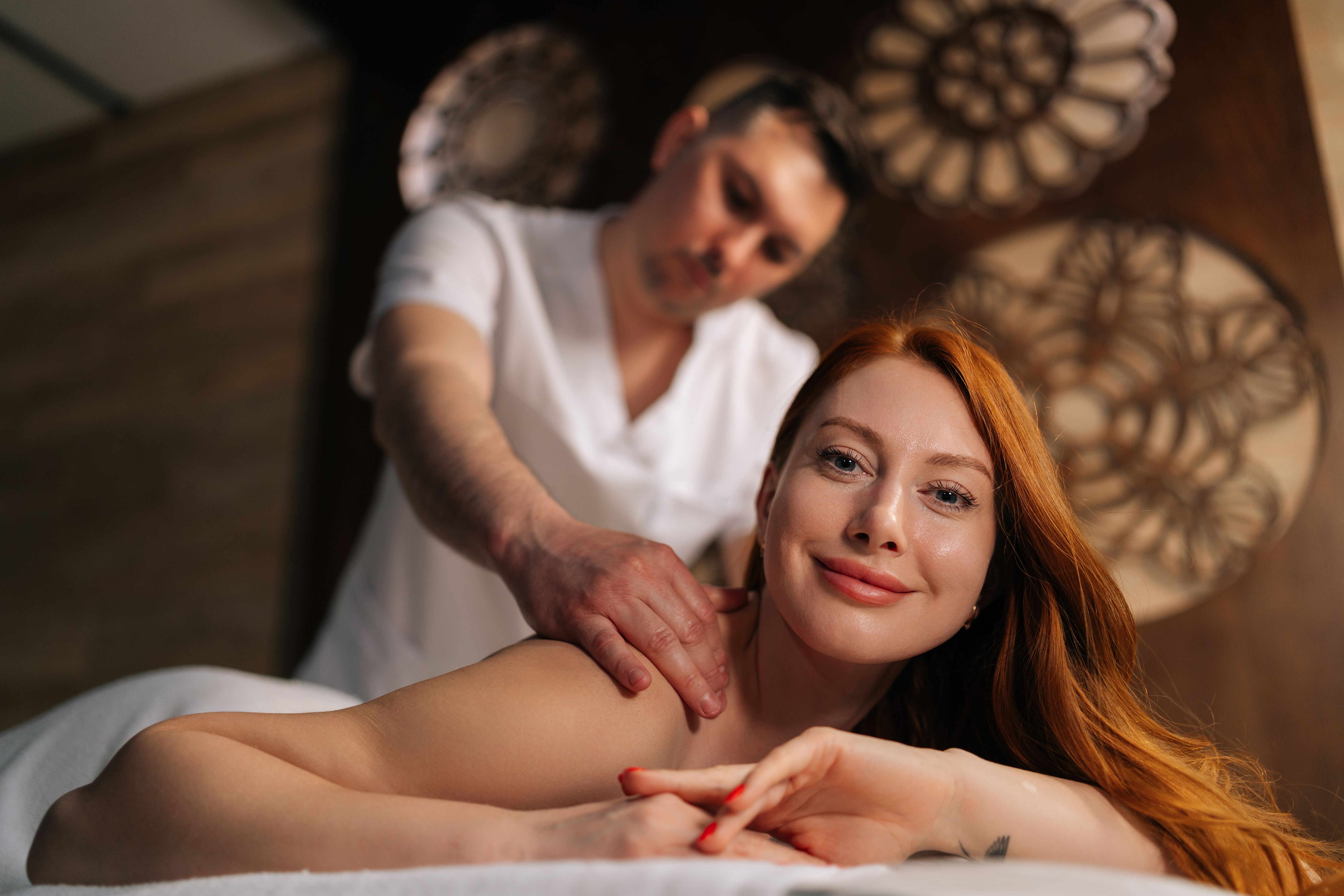
By stimulating these energy lines, Thai massage can help alleviate stress, improve mental clarity, and promote overall well-being. It's a holistic experience that addresses both the body and mind.
Myth 4: All Thai Massages Are the Same
It's a mistake to assume that all Thai massages are identical. In reality, there are various styles and techniques, each with its own focus and benefits. Traditional Thai massage is just one of many options available.
- Royal Thai Massage: A more formal and gentle approach, traditionally performed for the Thai royal family.
- Nuad Boran: The most common style, focusing on acupressure and stretching.
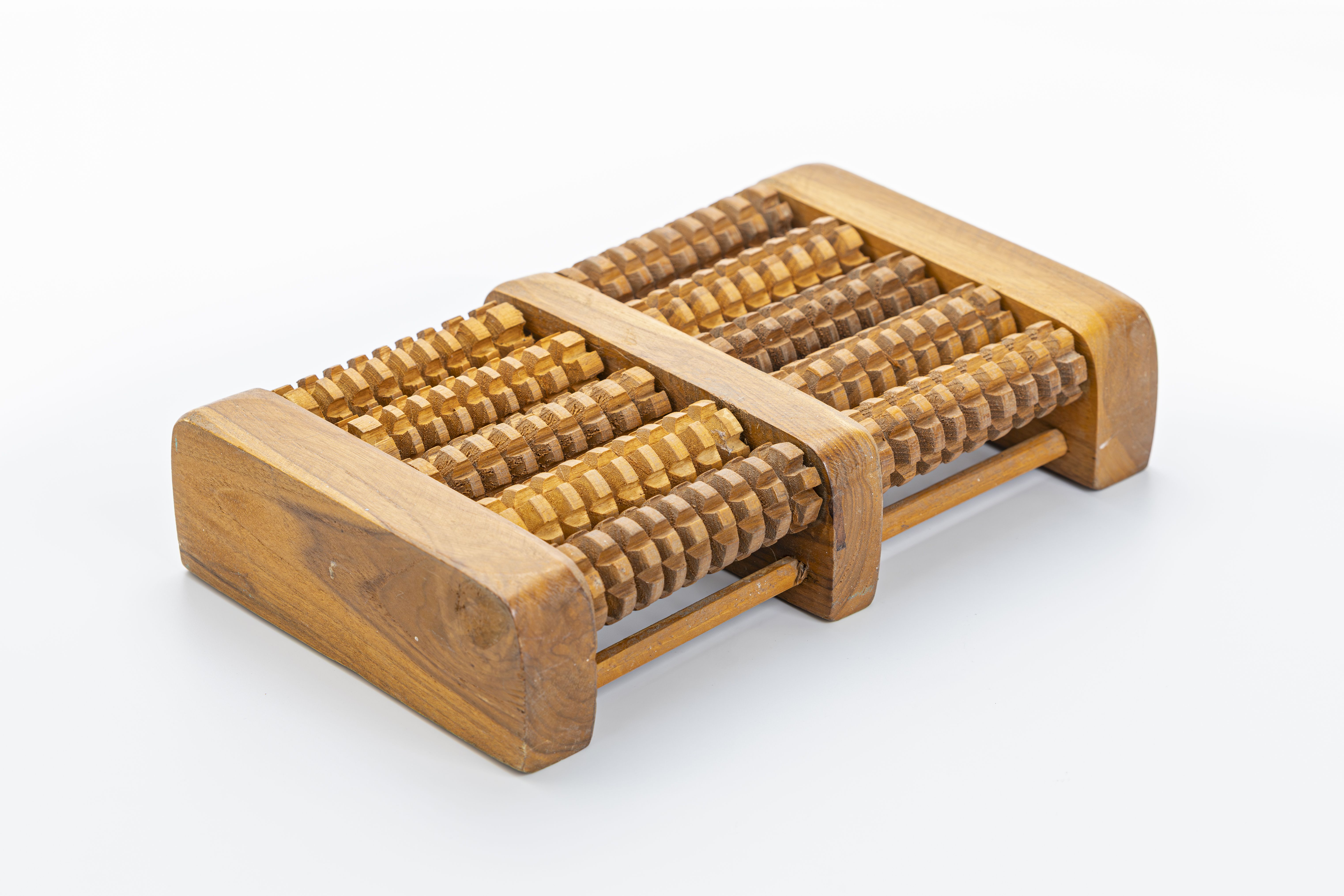
- Tok Sen: Involves rhythmic tapping with wooden tools to release tension.
Myth 5: It's an Ancient, Unchanged Practice
While Thai massage has its roots in ancient traditions, it has evolved over time. Modern practitioners often combine traditional techniques with contemporary approaches, integrating elements of physiotherapy and other healing arts.
Today's Thai massage is a dynamic and adaptable practice that can cater to a wide range of preferences and health needs. This adaptability ensures it remains relevant and beneficial in today's fast-paced world.
In conclusion, Thai massage is a versatile and enriching practice that goes beyond the myths. Whether you're seeking physical relief, mental clarity, or a combination of both, Thai massage offers a unique and holistic experience that can enhance your well-being.