How Traditional Thai Massage Differs from Other Massage Techniques


Introduction to Traditional Thai Massage
Traditional Thai Massage, often referred to as Thai Yoga Massage, is a unique healing practice that dates back over 2,500 years. It combines acupressure, Indian Ayurvedic principles, and assisted yoga postures. Unlike many Western massage techniques, which focus on kneading muscles, Thai massage emphasizes stretching and deep pressure.
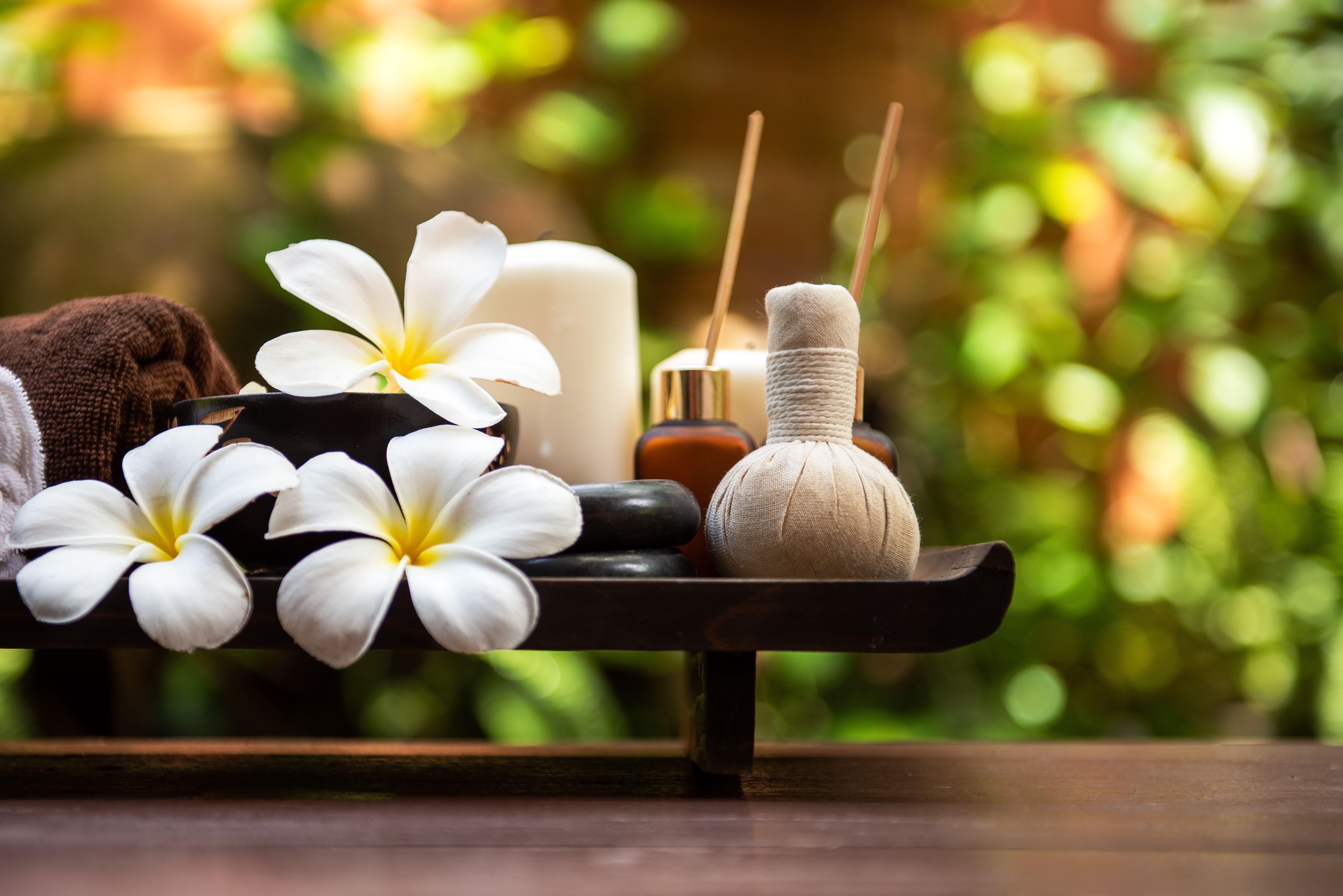
Key Differences in Technique
While many massage techniques primarily involve the use of hands, Thai massage employs the entire body. Practitioners use their thumbs, palms, elbows, knees, and even feet. This full-body approach enables them to apply firm pressure across large areas, facilitating deep tissue manipulation.
Another distinct feature is the incorporation of yoga-like stretching. These stretches help improve flexibility and release tension, providing a dynamic experience that differs from the more static nature of other massages.
The Role of Energy Lines
Traditional Thai Massage is deeply rooted in the concept of energy lines, or "Sen" lines, which are similar to meridians in Chinese medicine. Practitioners believe that blockages in these lines can cause discomfort and illness. By applying pressure along these lines, Thai massage aims to clear blockages, promoting overall well-being.
Session Structure and Environment
Unlike other massages that may require clients to undress and use oil, Thai massage is typically performed with the recipient fully clothed. The sessions often take place on a mat on the floor, allowing for greater freedom of movement. This setup contrasts with the traditional massage table used in many other techniques.
Sessions can range from one to two hours, providing ample time to address various areas of the body and ensure a comprehensive treatment.
Benefits of Thai Massage
Thai massage offers a wide range of benefits, including improved circulation, enhanced flexibility, and reduced stress levels. Many clients report feeling both relaxed and energized after a session, highlighting its unique ability to rejuvenate both body and mind.

Comparing to Other Techniques
When compared to Swedish massage, which primarily focuses on relaxation through gentle strokes, Thai massage is more invigorating. It demands active participation from the recipient, making it a more interactive experience.
Deep tissue massage, while similar in its aim to relieve tension, does not incorporate the stretching and energy work that are central to Thai massage. This makes Thai massage particularly beneficial for those seeking a holistic approach.
Choosing the Right Massage for You
When deciding between Thai massage and other techniques, consider your personal preferences and needs. If you enjoy yoga and are comfortable with stretching, Thai massage could be a perfect fit. For those seeking a more passive experience, Swedish or hot stone massage might be preferable.
Ultimately, the best massage is one that aligns with your goals and provides the relief or relaxation you seek.