Demystifying Thai Bodywork: Common Myths and Misconceptions


Understanding Thai Bodywork
Thai bodywork, often referred to as Thai massage, is a traditional healing practice that combines acupressure, Ayurvedic principles, and assisted yoga postures. Originating over 2,500 years ago, it is a deeply rooted part of Thai culture and medicine. Despite its long history, several myths and misconceptions surround this unique form of bodywork.
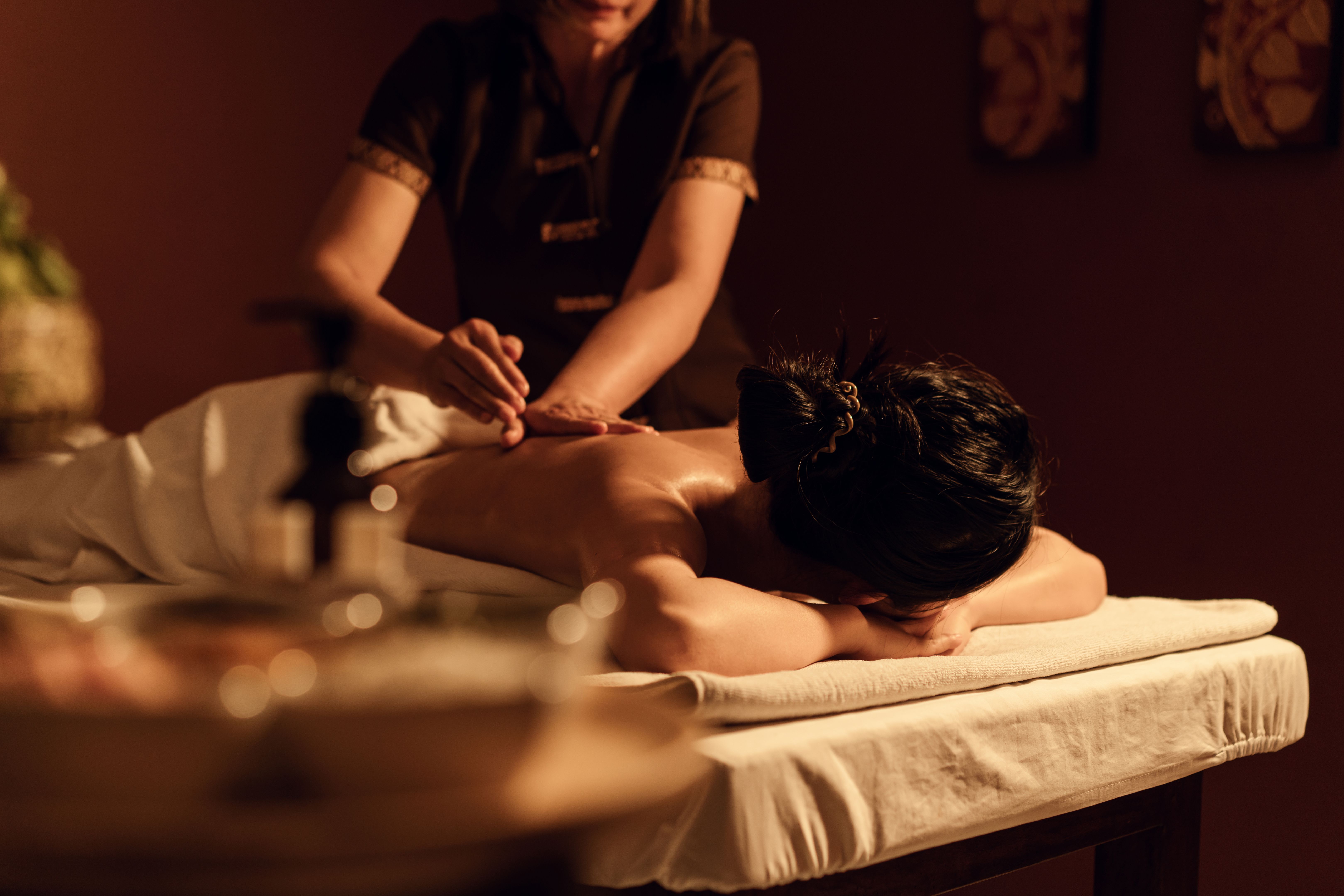
Myth 1: Thai Bodywork Is Just About Relaxation
One common misconception is that Thai bodywork is solely for relaxation. While it certainly can be soothing, its primary goal is to promote healing and improve flexibility. Practitioners use specific techniques to target energy lines in the body, aiming to release blockages and enhance overall well-being.
Benefits Beyond Relaxation
Thai bodywork can help with a variety of issues including chronic pain, stress, and even digestive problems. Its therapeutic effects are well-documented, making it a popular choice for those seeking holistic health solutions.
Myth 2: It's the Same as Western Massage
Another myth is that Thai bodywork is similar to Western massage therapies. Unlike Western techniques that primarily focus on muscle manipulation, Thai bodywork involves stretching, pulling, and rocking techniques. It's a dynamic form of bodywork that engages both the practitioner and the recipient in a rhythmic, meditative flow.

Interactive Process
During a session, the recipient remains fully clothed and lies on a mat on the floor. The practitioner uses hands, knees, legs, and feet to move the recipient into a series of yoga-like stretches. This interactive process distinguishes Thai bodywork from other massage practices.
Myth 3: It's Only for the Physically Fit
Some people believe that Thai bodywork is only suitable for those who are already physically fit. However, it is adaptable to various fitness levels and body types. Practitioners are trained to tailor the session to the individual’s needs and limitations, ensuring a safe and beneficial experience for everyone.

Customized Sessions
Whether you are an athlete looking to enhance performance or someone seeking relief from everyday tension, Thai bodywork can be customized to address specific concerns. This adaptability makes it accessible to a wide range of people.
Myth 4: It's a Painful Experience
Many fear that Thai bodywork is painful, but this is usually not the case. A skilled practitioner will communicate with you throughout the session to ensure you are comfortable. While some pressure is applied, the goal is to work within your comfort zone, not to cause pain.
Open Communication
Open communication between the practitioner and the recipient is key to a positive experience. If you ever feel discomfort during a session, it’s important to speak up so adjustments can be made accordingly.
Thai bodywork is a rich and complex practice, often misunderstood due to myths and misconceptions. By understanding its true nature and benefits, more people can experience the profound healing it offers. Whether you are new to this form of bodywork or a seasoned participant, embracing its holistic approach can lead to enhanced physical and mental well-being.